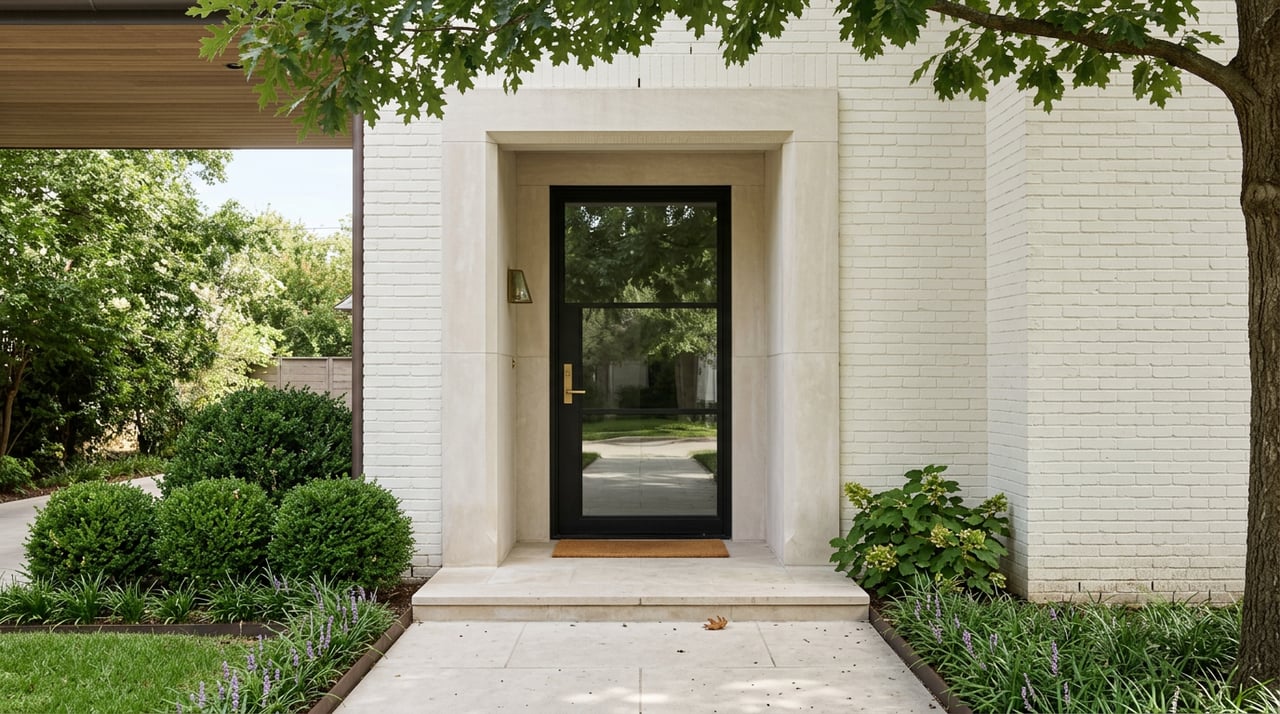
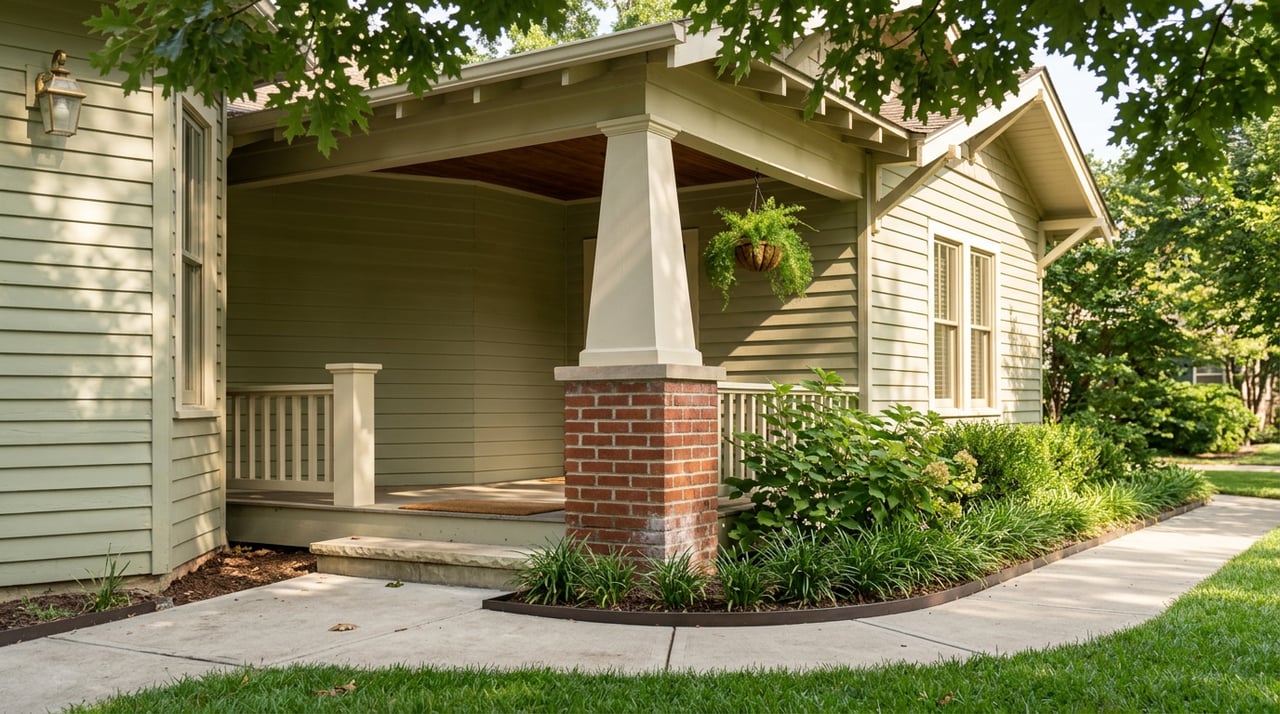
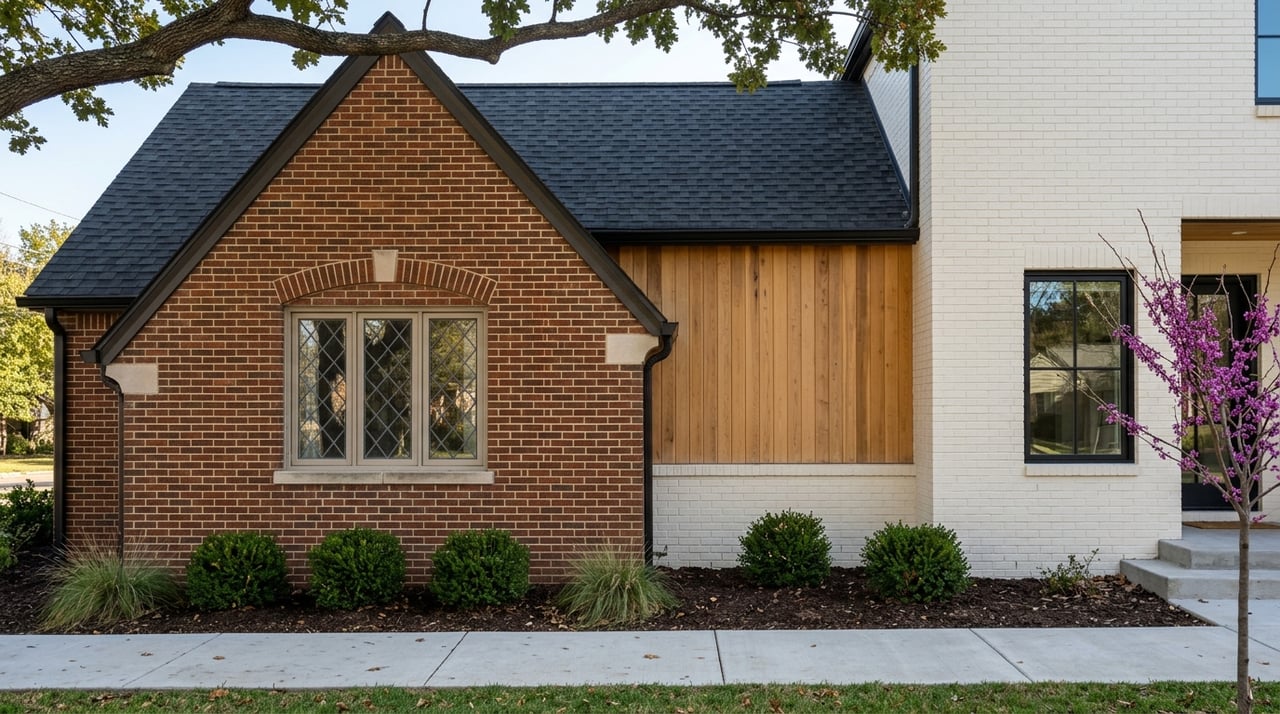
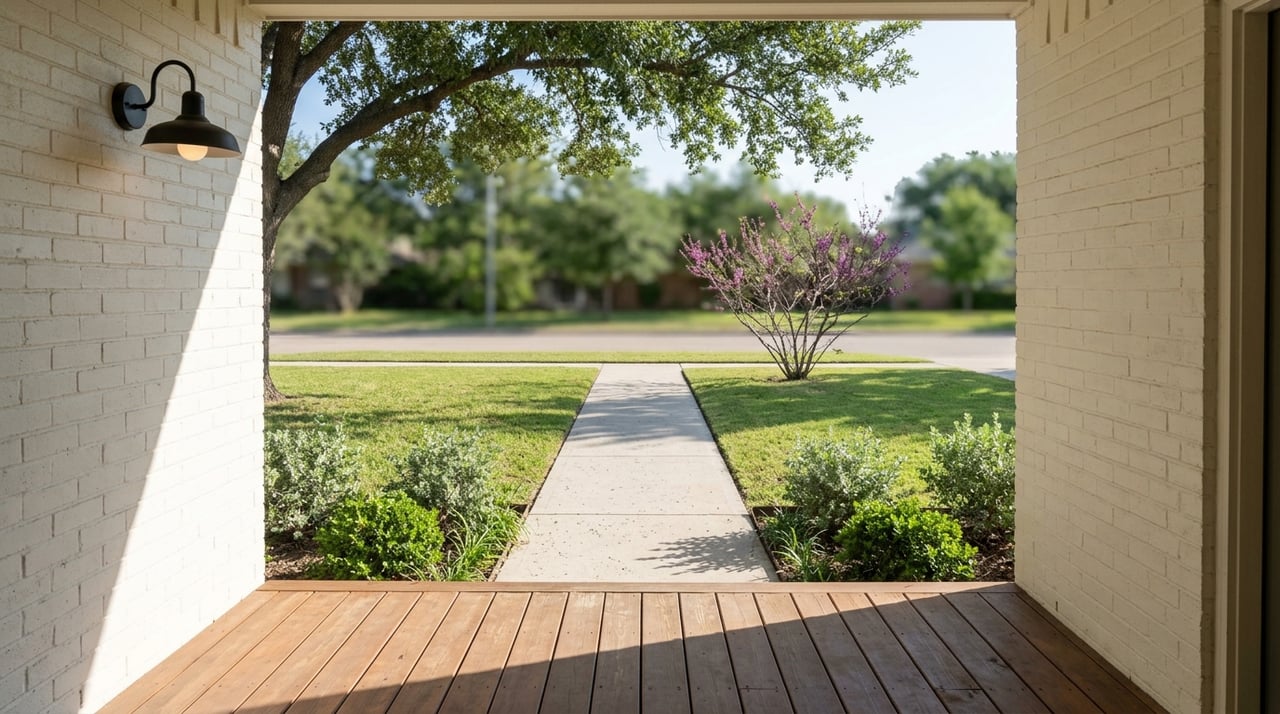
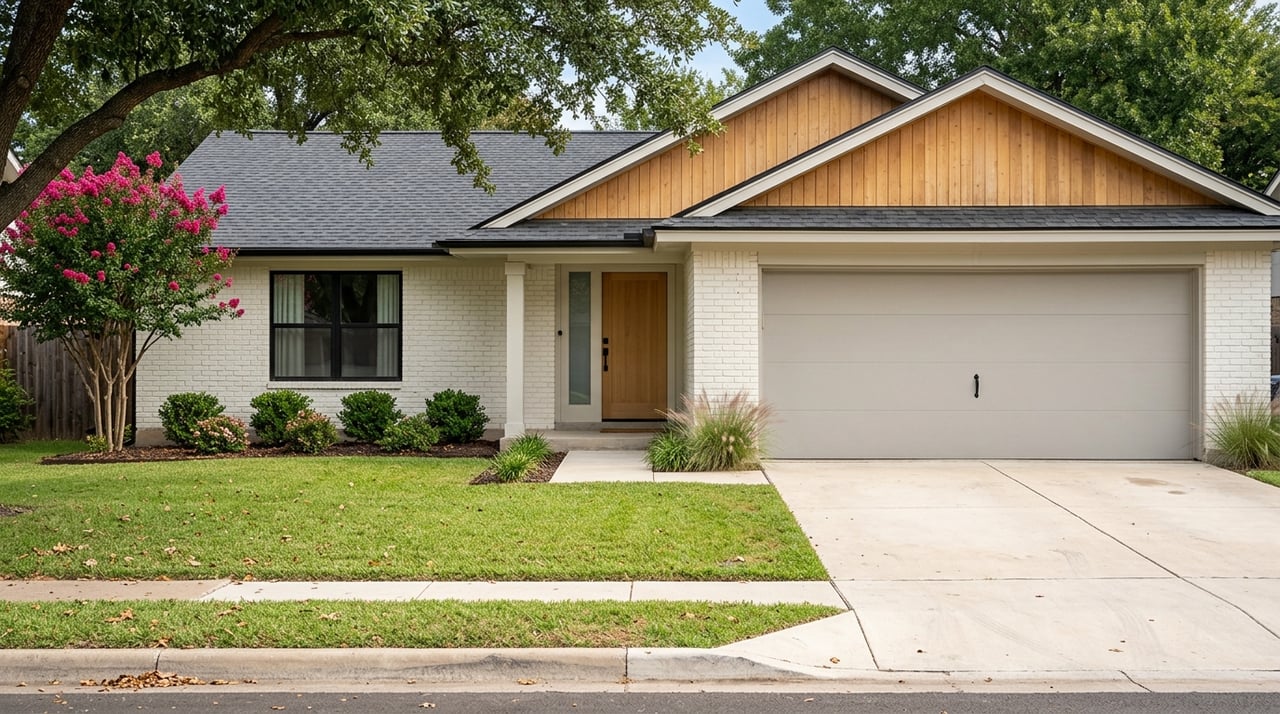
If the steep gables and storybook chimneys of Dallas’s M Streets have caught your eye, you are not alone. These Greenland Hills homes are packed with character, and the neighborhood’s conservation status helps keep that charm intact. If you are thinking about buying here, you will want a clear picture of what the architecture means for inspections, renovations, approvals, and long‑term value. This guide breaks it all down so you can shop with confidence and plan smart. Let’s dive in.
What makes M Streets unique
Quick neighborhood snapshot
Greenland Hills, often called the M Streets because many streets start with M, sits just east of US‑75 about two miles north of downtown Dallas. The area was largely built in the 1920s and 1930s and includes more than 900 homes within boundaries roughly defined by Central Expressway on the west, McCommas Boulevard on the north, Greenville Avenue on the east, and Vanderbilt on the south. You can confirm boundaries and standards in the official M‑Streets Conservation District ordinance.
Signature Tudor features you will see
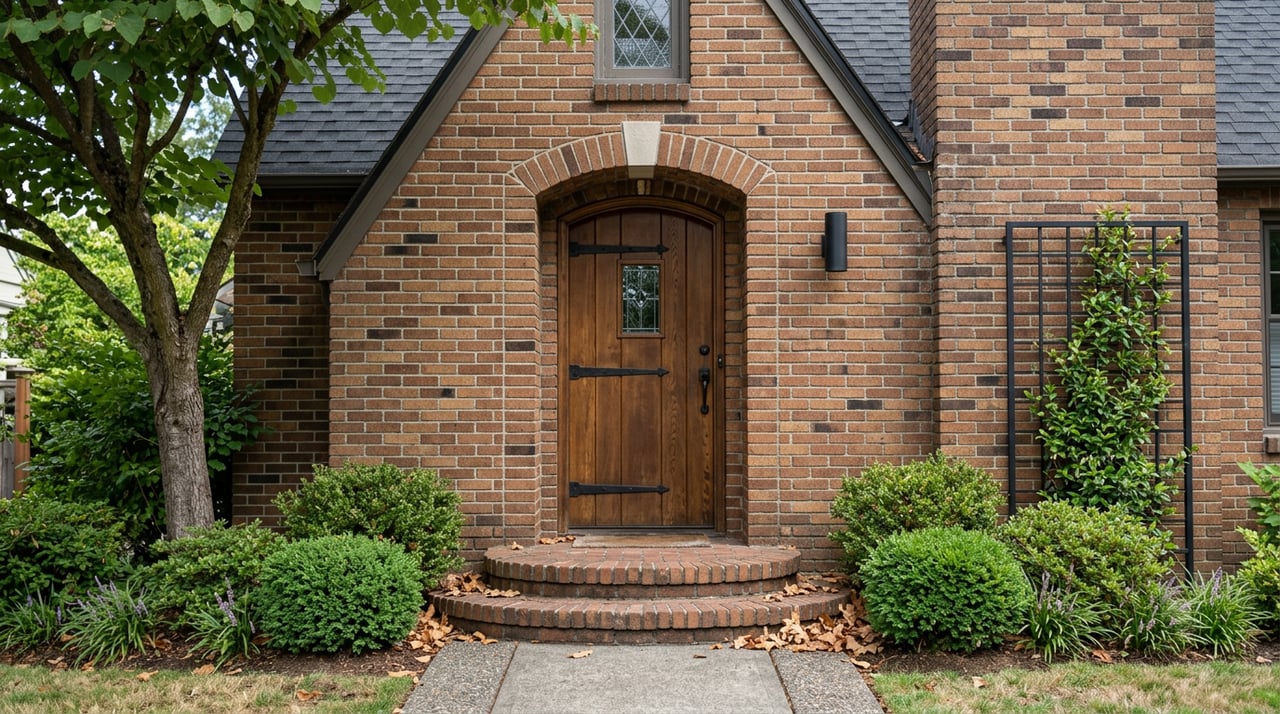
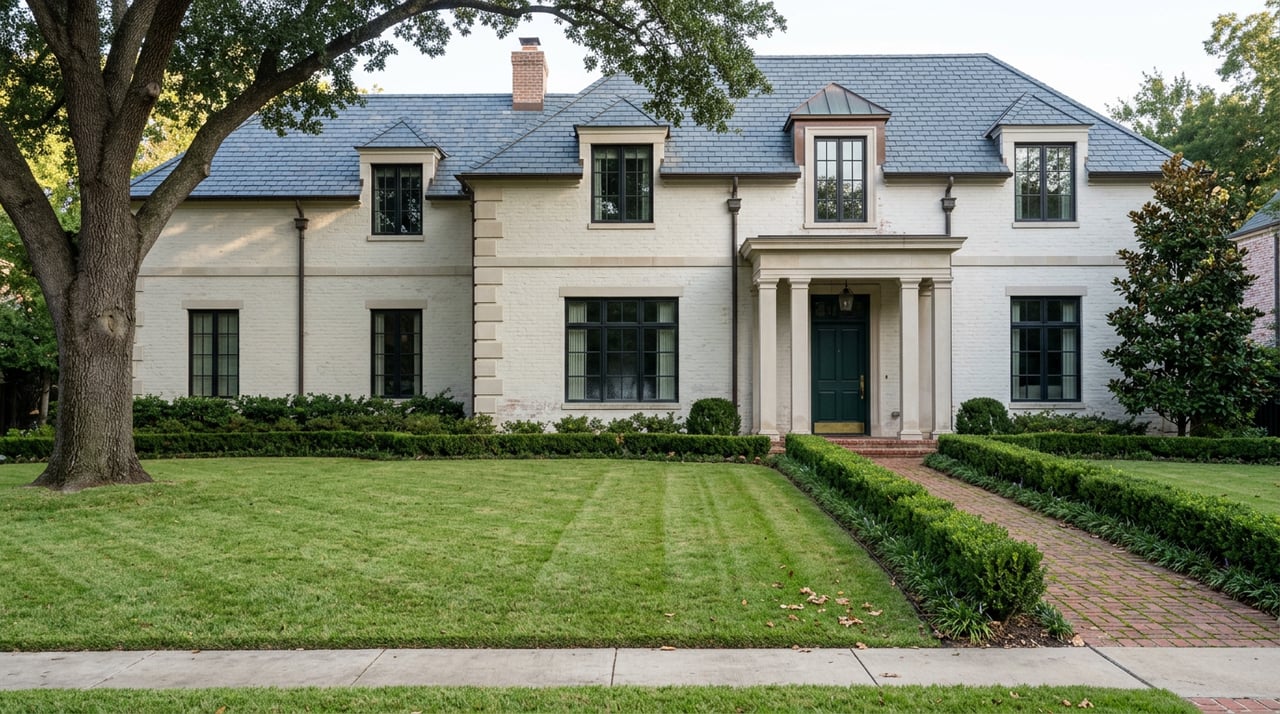
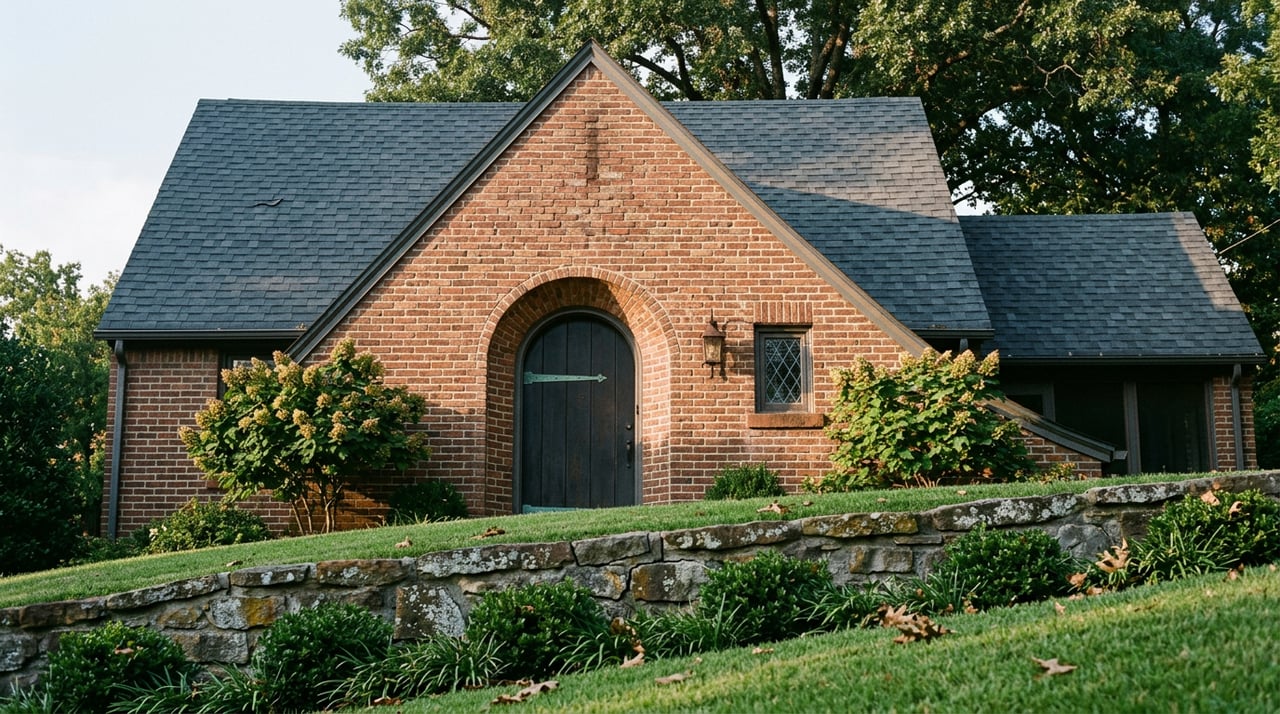
The neighborhood is renowned for Tudor Revival architecture. Many homes showcase steep cross‑gabled roofs, masonry or stucco walls with decorative half‑timbering, tall chimneys, arched doorways, and grouped narrow windows that sometimes include leaded or diamond‑pane glass. You will also find Craftsman bungalows, Spanish eclectic, Neo‑Colonial, Minimal Traditional, Ranch, and a few Contemporary designs mixed in. For a local overview, the neighborhood association shares useful context on Greenland Hills architecture.
For buyers, this means strong curb appeal and a consistent streetscape. Lots tend to be modest in size, with mature trees and cohesive setbacks that create the classic M Streets feel.
How conservation rules affect you
Conservation vs. historic districts
Dallas uses several tools to protect neighborhood character. A conservation district is a zoning overlay that focuses on compatibility, siting, and visible features. A historic landmark district, in contrast, is oriented toward preserving historic integrity under landmark standards. The City’s planning page outlines the distinction and related processes on its long‑range planning site.
Key rules to know in M Streets
If you buy in M Streets, the conservation ordinance is the local law that governs exterior work. Here are core standards you should understand before you plan changes (see the ordinance for full details):
- Lot, coverage, and height
- Minimum lot size is 7,500 square feet, with minimum widths typically 50 to 60 feet.
- Maximum lot coverage is 45 percent.
- Maximum height is 30 feet and must fit under a “line‑of‑sight” roof plane drawn from the middle of the street to the roof ridge.
- Front setback equals the average of adjacent houses (with limits defined in the ordinance).
- Garages and driveways
- Existing street‑visible garages can be repaired but not enlarged or replaced if they remain visible from the street.
- Visible garage roof slopes must match the main house; specific setback rules apply for rear and side placement.
- Roofing and visible materials
- Certain materials are not allowed on front‑visible roof surfaces or visible garages (corrugated plastic, standing‑seam metal, rolled or tar‑and‑gravel). Copper accents may be allowed on small features.
- Fences are not permitted in the front yard. Fences visible from the street must be brick or stone that matches the house, wood, or wrought iron.
- No more than 30 percent of the front yard can be paved or hardscaped.
- Demolition limits for “High Tudor” houses
- Homes identified as High Tudor in the ordinance can only be demolished when the cost to bring them up to code using similar materials is greater than 80 percent of the structure’s appraised value. This sets a high bar for teardowns on those properties.
Review process and timing
Many exterior projects need an extra City review step. You will submit a Conservation District Work Review form along with plans and photos. Reviews tied to a building permit have a 30‑day target once your application is complete; items that do not require a building permit have a 10‑day review window. If staff denies the application, you can appeal to the Board of Adjustment. See the City’s Work Review application and checklist to understand submittals and timelines.
What this means for you: plan for review time and be ready to adjust materials or details so your project aligns with neighborhood standards.
What to inspect in a Tudor cottage
Tudor cottages are full of craftsmanship, but they are also nearing a century old. Go in with eyes open and a stronger due‑diligence plan.
Construction details to look for
Expect brick or stone first stories with stucco and half‑timbering in gables, grouped casement windows, steep roofs, and prominent chimneys. Interiors often include original hardwood floors, plaster walls, smaller rooms, and built‑ins that give these homes their charm.
Common older‑home systems and defects
- Electrical
- You may encounter knob‑and‑tube or early cloth‑insulated wiring and undersized service panels. Full rewiring can be recommended for safety and insurance. See inspection guidance for historic properties from ASHI.
- Plumbing
- Galvanized water lines, cast‑iron drains, or clay sewer laterals are common in older homes. A sewer‑scope camera inspection helps detect root intrusion or failing segments before you commit to repairs.
- Foundations and soils
- Many older Dallas homes use pier‑and‑beam or early slab systems. Dallas sits on expansive Blackland Prairie clay, which is prone to shrink‑swell movement that can affect foundations. If you see sticking doors, sloped floors, or wall cracks, budget for a structural evaluation. The regional soil survey explains local clay behavior on the Blackland Prairie soils page.
- Roofing and chimneys
- Steep roofs with valleys and dormers are typical. Historic materials like slate or wood shakes can be long‑lasting but expensive to repair. The conservation rules also limit what you can install where visible from the street, so plan replacements carefully and inspect flashing, mortar, and roof structure.
- Masonry and stucco
- Older brick, stone, and stucco perform best with compatible repair methods. Using a hard, cement‑rich mortar on soft historic brick can cause damage. For technical best practices, see the National Park Service’s guidance on preserving and repairing historic stucco.
- Windows
- Original wood multi‑lite windows are a character feature. Restoration with weatherstripping and storm windows can reach energy performance close to new units while preserving appearance. Read the preservation‑focused summary on window restoration and sustainability.
Add these specialized inspections
- A general home inspection by someone experienced with older homes.
- A structural or foundation engineer evaluation if you see settlement signs or if the home is pier‑and‑beam.
- A sewer‑scope camera inspection.
- A chimney and roof evaluation by a steep‑slope or slate‑experienced contractor.
- A termite and wood‑destroying insect inspection.
Tip: Older‑home due diligence often takes extra time. Build inspection windows that allow you to schedule specialists and get repair estimates before your option period ends.
Renovations, budgets, and approvals
How the rules shape your project
Because the conservation ordinance focuses on street‑visible elements, “in‑kind” repairs are often the smoothest path. Wholesale visible substitutions that change the look of the front elevation are usually not allowed. That affects roofing materials, window appearance and muntins, fence types, garage placement, and front‑yard paving. If you want to change something you can see from the street, expect design review and be ready with product data that matches neighborhood character.
Where costs tend to run higher
- Roofs
- Specialty materials like slate and wood shakes can be significantly more expensive than standard asphalt shingles. Even if you propose a compatible modern substitute, the visible portions must pass review, which can limit ultra‑budget options on front‑facing slopes.
- Masonry and stucco
- Historically appropriate repointing and stucco repair costs more than basic patching but protects the house from moisture damage. Use contractors who follow National Park Service guidance to avoid long‑term issues. See NPS technical practices for historic stucco repair.
- Windows
- Repairing and weatherizing original wood windows with storms is often cost‑effective over time and maintains the home’s appearance. When replacement is necessary, historically sympathetic wood windows with correct profiles may be required on street‑visible elevations. Learn more about performance tradeoffs in this window restoration overview.
Plan your timeline
If your purchase hinges on a visible exterior change, schedule a pre‑application call with City conservation staff during your option period. The Work Review checklist explains what drawings and product details to submit. Permit‑related reviews target 30 days and non‑permit items 10 days. Build this into your closing and contractor scheduling.
Resale and value insights
City data suggests that conservation and historic overlays often support long‑term stability and value. In a recent memo, Dallas reported that in 2024 the average single‑family home in a conservation district was valued about 79 percent higher than a comparable property citywide, while historic districts averaged about 15 percent higher. Read the City’s findings in the Preserving Dallas economic impact memo.
What this means for you: protected streetscapes can be a plus for resale. At the same time, you will weigh the added approval step and potentially higher exterior repair costs. If your vision aligns with the district’s character, you may find that M Streets delivers both daily enjoyment and strong long‑term demand.
Step‑by‑step buyer checklist
- Confirm district status
- Verify the property lies within the M‑Streets Conservation District and download its rules and concept plan from the official ordinance.
- Expand your inspections
- Order a general inspection plus targeted specialists: foundation engineer (if settlement signs), sewer‑scope, chimney and steep‑slope roof assessment, and termite/WDI.
- Pre‑plan exterior changes
- If you plan visible work, schedule a consult with City conservation staff and prepare submittals per the Work Review checklist. Build review windows into your option period and closing timeline.
- Verify past approvals
- Ask the seller for any prior Work Review approvals and check City records for permits or violations related to exterior work.
- Budget realistically
- Add contingency for roofs, masonry or stucco repair, foundation remediation, repiping or rewiring, and window restoration. Choose contractors who can document in‑kind methods and compatible materials for street‑visible work.
- Understand tax incentives
- City tax exemptions typically apply to designated landmarks or landmark districts, not to conservation districts by default. Review the City’s page on historic preservation tax incentives if incentives are a goal.
The bottom line for M Streets buyers
Buying in the M Streets means embracing a neighborhood where architecture takes center stage. You get timeless Tudor character, mature trees, and a cohesive streetscape that many buyers prize. In exchange, you will plan projects with an extra layer of review and favor materials and details that keep the look consistent from the street.
With the right inspections, a smart renovation plan, and a timeline that respects approvals, you can enjoy the best of both worlds: everyday charm and long‑term value in one of Dallas’s most beloved neighborhoods.
If you are weighing a Tudor in the M Streets or want help mapping your inspection and approval strategy, reach out to Christi Weinstein for neighborhood‑savvy guidance and a clear plan to move forward.
FAQs
M Streets repainting: do I need City review?
- Some maintenance is exempt, but repainting front‑visible features or altering a major visible element may require a Work Review. When in doubt, contact staff or submit the City’s checklisted application.
M Streets window upgrades: can I use vinyl?
- Street‑visible vinyl windows are commonly discouraged. The City looks for compatible profiles and muntins. Many buyers opt to repair original wood windows and add storms for performance.
High Tudor demolitions in M Streets: are they allowed?
- Homes identified as High Tudor in the ordinance can be demolished only if restoration to code with similar materials would cost more than 80 percent of the structure’s appraised value.
Renovation timing in M Streets: how long is review?
- Permit‑related Work Reviews target 30 days after a complete submittal; non‑permit reviews target 10 days. Plan this time into your option period and contractor schedule.
Dallas conservation vs. historic districts: what is the difference?
- Conservation districts are zoning overlays focused on compatible scale and street‑visible design, while historic districts protect historic integrity under landmark standards. Each uses different review criteria and processes.