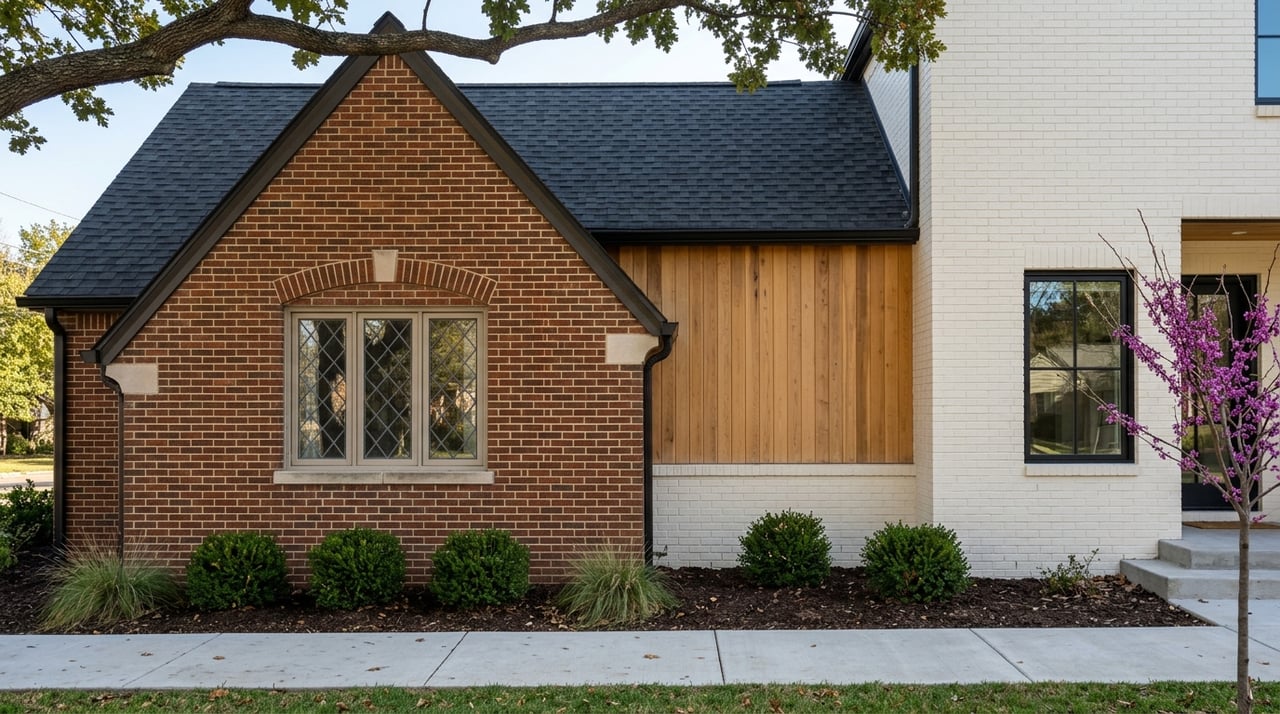
Buying In M Streets Dallas: Tudor Charm Or New Build
July 9, 2026
July 9, 2026
Trying to choose between a classic Tudor and a newer home in the M Streets? You are not alone. Many buyers love the neighborhood’s charm but also want a home that fits how they live today. The good news is that you do not have to guess your way through the decision. If you understand how the M Streets works, what each home type usually offers, and where the tradeoffs show up, you can buy with much more confidence. Let’s dive in.
The M Streets, also known as Greenland Hills, is not just another Dallas neighborhood pocket. It is Dallas Conservation District No. 9, which means the area is governed by zoning rules designed to preserve its architectural and cultural character.
That matters because the district is meant to keep new construction, remodeling, and renovations compatible with the neighborhood’s original style. In practical terms, when you buy here, you are buying into both a home and a set of design standards that help protect the look and feel of the area over time.
The neighborhood is known for homes built roughly between 1920 and 1940. You will see Tudor, Craftsman, Neo-Colonial, Spanish Eclectic, Minimal Traditional, and Contemporary influences, though Tudor-style homes are often what buyers picture first when they think about the M Streets.
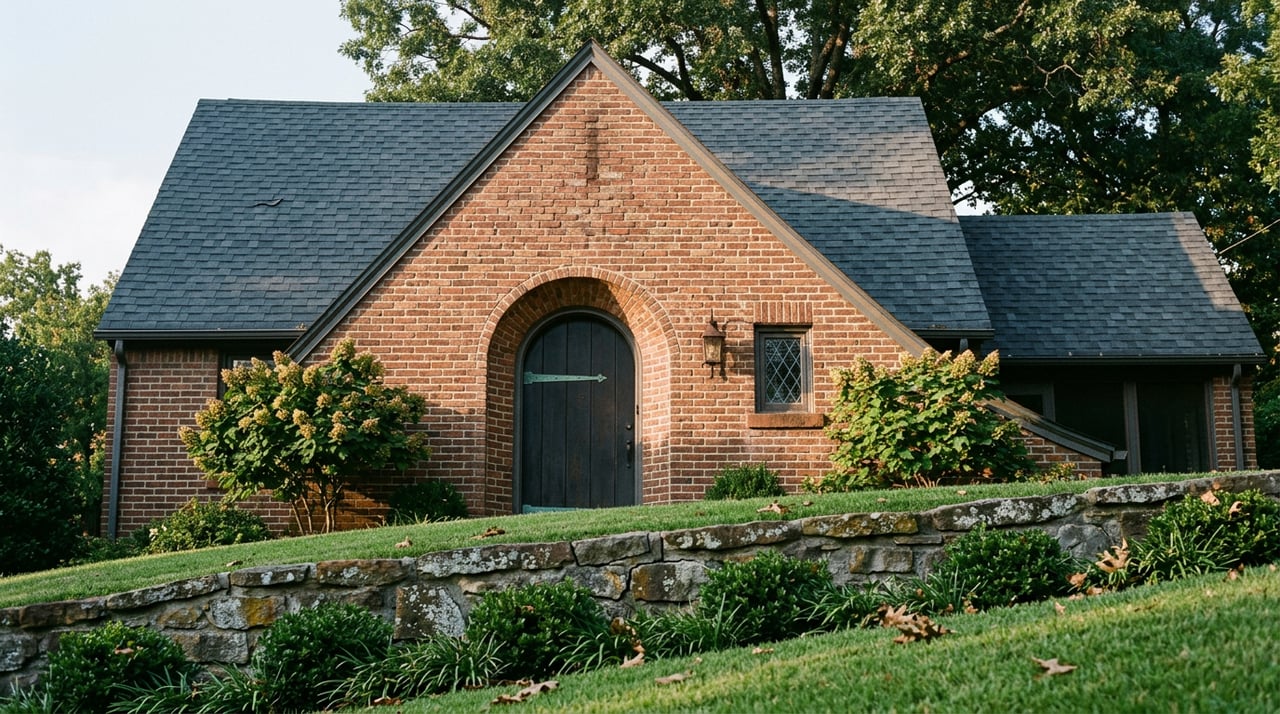
If you are drawn to original character, a classic M Streets Tudor may check a lot of boxes. These homes often stand out because of preserved brick or stone details, distinctive roof forms, chimneys, dormers, porches, and windows that reflect the district’s historic design patterns.
That charm often comes with a floor plan that feels different from newer construction. Older homes commonly have more separated rooms and less open flow, which can be a great fit if you like defined spaces but may feel less aligned with buyers who want one large kitchen-living-dining area.
In the M Streets, many updated Tudors still hold onto their period identity because the conservation district rules are written to preserve original materials and visible architectural features. That is a big reason the neighborhood has such a strong sense of place.
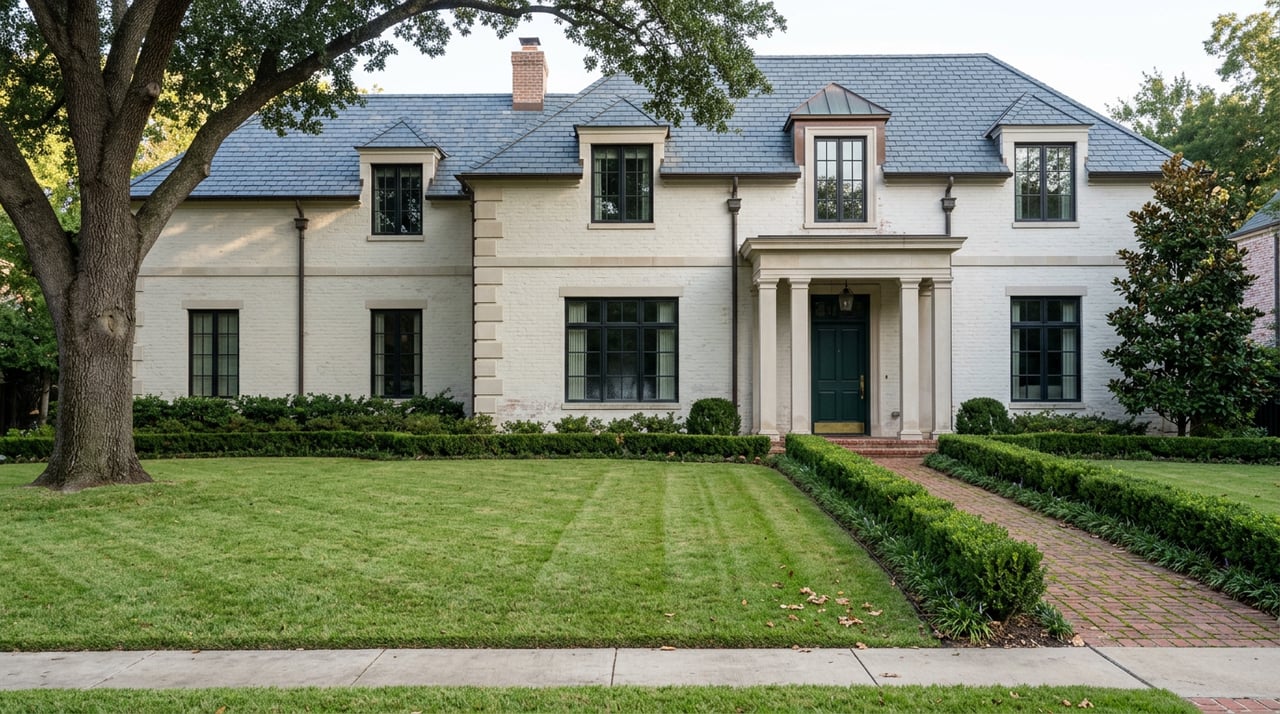
A newer home in the M Streets usually appeals to buyers who want modern function. New construction often brings open layouts, higher ceilings, more windows, updated systems, and a layout designed around how many people live today.
Many buyers also like the predictability that can come with a new home. Builder warranties, lower near-term maintenance risk, and the chance to enjoy newer materials and systems can be a major advantage, especially if you do not want a long post-closing project list.
Energy efficiency is another reason buyers look at newer construction. It is generally more cost-effective to add insulation during construction than to retrofit it later, and high-performance windows, air sealing, and properly installed insulation can improve comfort, durability, and utility costs.
Yes, new builds are allowed in the M Streets. However, they are not a free-for-all.
Because the neighborhood is a conservation district, new homes must comply with district standards and pass the city review process. The rules are intended to make sure new construction fits the neighborhood instead of ignoring it.
This is one of the most important things to understand before you buy land, evaluate a teardown, or compare an infill home to an original Tudor. In the M Streets, zoning and compatibility rules shape what can be built and how it presents from the street.
In this neighborhood, a new home does not have to copy a Tudor exactly. But it does need to be visually compatible with the district’s established character.
The ordinance includes standards such as a 30-foot height cap, front-yard setbacks tied to neighboring homes, and rear placement for garages within the back 30 percent of the lot. It also calls for period-compatible exterior elements such as a substantial front porch, compatible windows, and a brick or stone chimney.
That means most new construction in the M Streets is not a suburban-style contemporary product dropped into a historic block. It is usually better described as modern living inside a home designed to work with the neighborhood’s architectural context.
For many buyers, the real choice is not just charm versus style. It is maintenance versus convenience.
With an older Tudor, inspections matter a lot. Older homes often have less insulation than homes built today, so you may need to pay closer attention to attic insulation, air leaks, and system performance. If efficiency is a concern, an energy assessment and targeted improvements can help you understand what the home may need.
With a newer home, a lot of that work may already be built in. Comprehensive air sealing, insulation, and high-performance windows can improve comfort and lower annual utility costs, while newer systems may reduce your surprise-repair risk in the first few years.
It also helps to zoom out and look at the market context. In spring 2026, broader 75204 pricing sat in the low-to-mid $500,000s depending on the data source, while the M Streets showed a much higher median listing price of $949,500.
That gap tells you something important. When you buy in the M Streets, you are often paying for the neighborhood itself, its preserved identity, and the tighter supply of homes that fit what buyers want in this part of Dallas.
Market pace also suggests a neighborhood that is active without being frantic. Broader 75204 data showed about 53 days on market, while the M Streets neighborhood page showed a median of 29 days on market, reinforcing that this submarket behaves differently from the larger ZIP code.
If you are stuck between Tudor charm and new-build convenience, start with how you want to live day to day. The right answer usually becomes clearer when you focus less on labels and more on your actual priorities.
This neighborhood rewards buyers who look beyond finish selections and square footage. Conservation-district rules, lot-specific constraints, design review, and the premium tied to location all affect value and fit.
That is why hyperlocal guidance can make such a difference. When you understand not just the listing, but also the block, the district standards, and the likely maintenance path of the home you are considering, you can make a much smarter decision.
Whether you are comparing a preserved Tudor, a renovated cottage, or a period-compatible infill home, the goal is the same: find the property that matches your budget, lifestyle, and comfort level with upkeep.
If you are weighing your options in the M Streets or anywhere in central Dallas, Christi Weinstein can help you compare homes with clear, neighborhood-specific guidance and a strategy built around how you want to live.
Stay up to date on the latest real estate trends.
Christi Weinstein is dedicated to helping you find your dream home and assisting with any selling needs you may have. Contact her today to start your home searching journey!
GET IN TOUCH TO LEARN MORE
Christi Weinstein
8111 Preston Road, Suite 725 Dallas, TX 75225