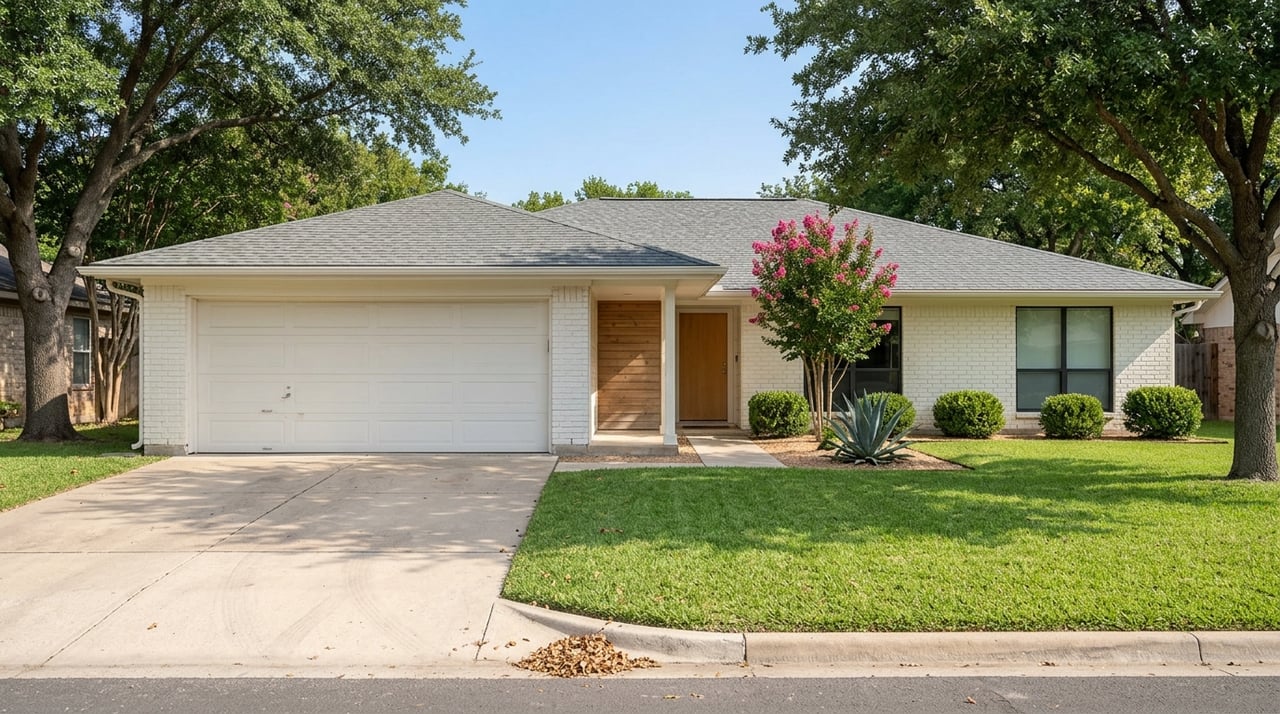
Buying In Forest Hills Dallas: Lifestyle And Home Types
June 4, 2026
June 4, 2026
Looking for a Dallas neighborhood that feels tucked away without putting you far from the city? Forest Hills stands out for exactly that reason. If you want mature trees, larger lots, and easy access to White Rock Lake, this guide will help you understand what daily life looks like here, what kinds of homes you can expect, and how to tell whether Forest Hills fits your goals. Let’s dive in.
Forest Hills sits at the southern end of White Rock Lake, across from the Dallas Arboretum. According to the Forest Hills Neighborhood Association, the neighborhood is generally bordered by Garland Road, Lakeland Drive, the railroad right-of-way, and Highland Road and San Rafael Drive.
That location gives Forest Hills a setting that feels distinct from many other Dallas neighborhoods. D Magazine describes it as a large-lot area with a countryside feel, even though it is roughly 6 miles from downtown Dallas. For buyers, that usually translates to a quieter residential atmosphere with strong access to outdoor recreation and central Dallas convenience.
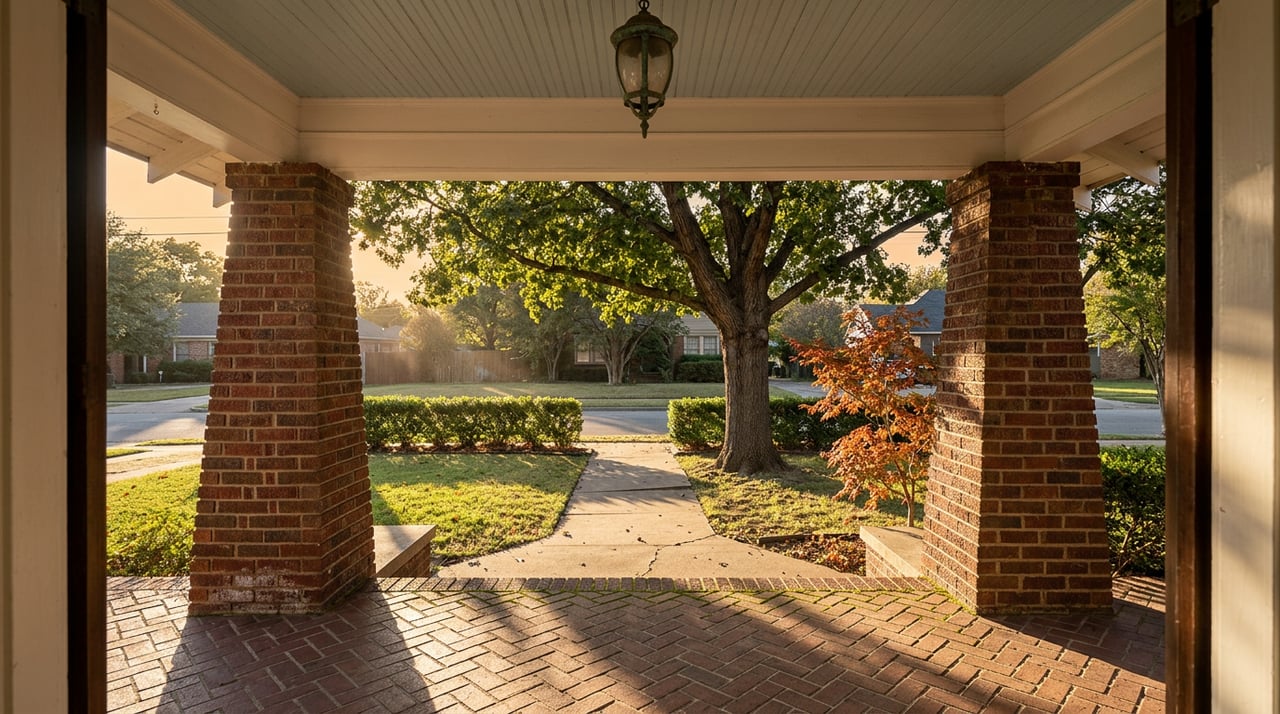
The neighborhood’s identity goes back to the 1920s. Forest Hills was promoted as a wooded escape from the city, and that history still shows up today in the tree canopy, the privacy many homes offer, and the overall street feel.
If your ideal neighborhood includes room to breathe and a more relaxed pace, Forest Hills is worth a close look. The area is closely tied to White Rock Lake, and that shapes how many buyers experience everyday life here.
White Rock Lake is a 1,015-acre city lake about 5 miles northeast of downtown Dallas. It includes a 9.33-mile hike-and-bike trail, picnic areas, pavilions, boat ramps, a dog park, bird-watching areas, and a kayak concession.
The Dallas Arboretum adds another major lifestyle draw. Its 66 acres of gardens, plus seasonal festivals, concerts, and art shows, give buyers another reason this part of Dallas feels active and connected to the outdoors.
Forest Hills is not just about being near the lake. The neighborhood association highlights annual events such as an Easter Egg Hunt, a July 4th Parade and Picnic, Fall Fest, and a Holiday Season Tree Lighting.
The association also describes residents walking, running, and bicycling through the neighborhood. Combined with some nearby businesses and restaurants noted by D Magazine, Forest Hills can feel both residential and social, depending on where you are in the neighborhood.
One of the biggest reasons buyers focus on Forest Hills is variety. This is not a neighborhood where every block looks the same, and that can be a real advantage if you want options.
According to the Forest Hills Neighborhood Association, homes here date back to 1920, and new construction is still underway. That means your search may include original homes, major remodels, updated classics, and newer builds.
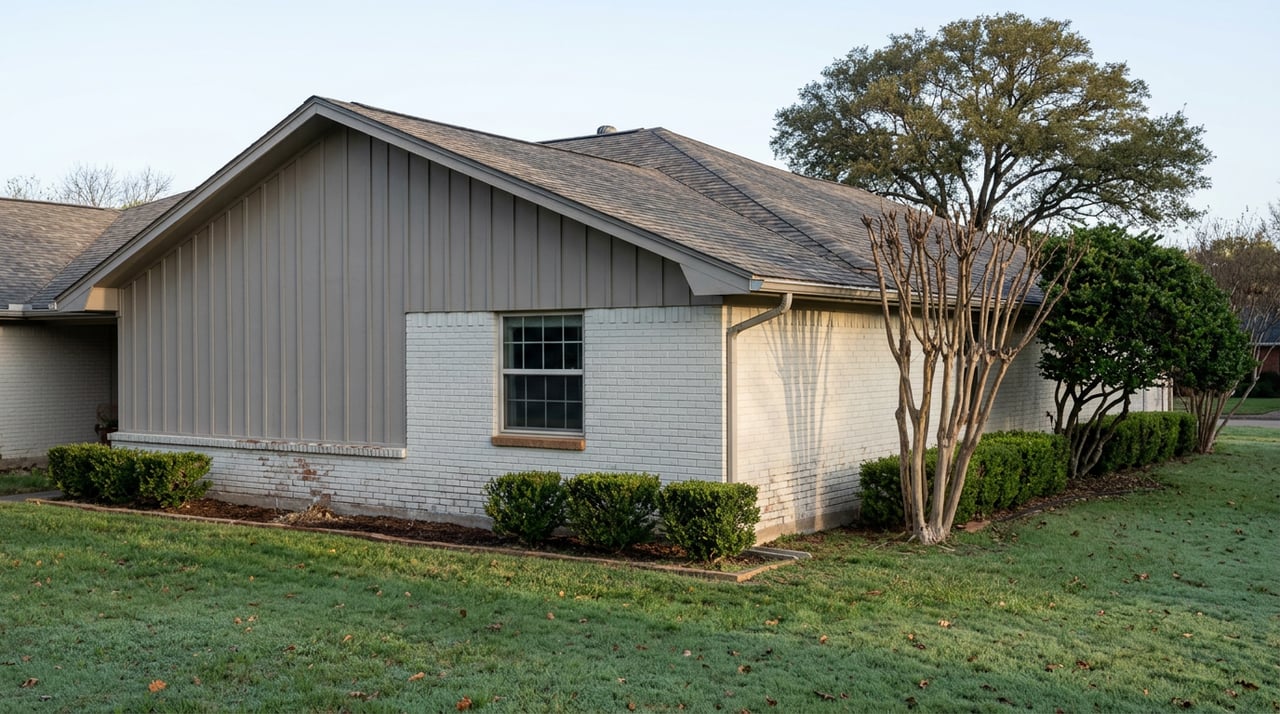
Forest Hills has a broad mix of home styles, including:
For buyers, this means your home search may be less about choosing one "standard" neighborhood look and more about narrowing down the specific character you want. Some homes feel historic and established, while others feel more updated or newly built.
Forest Hills is known for shaded, estate-sized lots on a wooded bluff south of White Rock Lake. That lot pattern is a big part of why the neighborhood feels different from denser parts of East Dallas.
Much of the area falls within Planned Development District 575. In that district, minimum lot sizes range from 13,000 to 16,000 square feet, and front setbacks range from 40 to 100 feet.
Those standards help explain the roomy street pattern many buyers notice right away. You are often looking at deeper setbacks, more visible tree canopy, and a stronger sense of separation between homes than you may find in nearby neighborhoods.
In Forest Hills, the lot can shape your experience almost as much as the house itself. Two homes with similar square footage may feel very different based on privacy, tree coverage, outdoor space, and how the home sits on the lot.
As you compare options, it helps to pay attention to:
The short answer is both. Forest Hills includes original-era homes from the 1920s, along with newer construction and large-scale remodels.
That mix can be a major plus if you want flexibility. Some buyers are drawn to original architecture and mature lots, while others want updated layouts or newer finishes. In Forest Hills, you may find both within the same neighborhood, and sometimes even on nearby blocks.
This is one reason block-by-block guidance matters here. The neighborhood has a consistent identity, but the housing experience can shift depending on the street, the age of the homes, and the level of renovation.
This is a common question, and the answer is important for buyers. The Forest Hills Neighborhood Association is voluntary.
That means there are no mandatory HOA dues or private HOA-style property restrictions through the association. Instead, zoning restrictions are filed with the City of Dallas.
For buyers, this matters because Forest Hills may function differently than a neighborhood with a traditional mandatory HOA structure. If you are comparing communities, it is helpful to understand that the neighborhood association plays a civic and community role, while zoning controls are handled through the city.
Forest Hills tends to appeal to buyers who want detached single-family living on larger lots in a central Dallas location. It can be especially attractive if outdoor access, mature trees, and architectural variety are high on your list.
Based on the neighborhood pattern described in the research, Forest Hills may be a strong fit if you are looking for:
On the other hand, Forest Hills may be less aligned with what you need if you want attached housing, a very low-maintenance setup, or a more urban street grid.
A Forest Hills home search usually goes better when you look beyond square footage and bedroom count. In this neighborhood, the details of the site and the block can have a major effect on how a home lives day to day.
When touring homes, pay close attention to:
Because Forest Hills has real block-to-block variety, these factors can help you narrow your options faster. They also help you avoid assuming that every home in the neighborhood offers the same experience.
Forest Hills is one of those neighborhoods where broad descriptions only get you so far. Yes, it is near White Rock Lake. Yes, it has mature trees and larger lots. But the real buying decision often comes down to how a specific street, lot, and home style line up with your priorities.
That is where neighborhood-level guidance becomes especially valuable. When you understand the difference between blocks, home eras, lot patterns, and proximity to the lake, you can search with more confidence and make cleaner comparisons.
If Forest Hills is on your shortlist, the right strategy is usually a focused one. Rather than treating the neighborhood as one uniform market, it helps to evaluate each property in the context of its lot, setting, and level of renovation.
If you want expert help narrowing down homes in Forest Hills and nearby East Dallas neighborhoods, connect with Christi Weinstein for tailored, neighborhood-specific guidance.
Stay up to date on the latest real estate trends.


Christi Weinstein is dedicated to helping you find your dream home and assisting with any selling needs you may have. Contact her today to start your home searching journey!
GET IN TOUCH TO LEARN MORE
Christi Weinstein
8111 Preston Road, Suite 725 Dallas, TX 75225