Explore Historic Dallas Neighborhood Homes by Style
June 11, 2026
June 11, 2026
Looking for Dallas neighborhoods with real architectural character? If you love the idea of tree-lined streets, early 20th-century homes, and blocks that still reflect the city’s past, you are not alone. Dallas has several neighborhoods where classic architecture is part of daily life, and understanding the differences can help you focus your home search or better position a property for sale. Let’s dive in.
Dallas has a layered preservation story, and that matters when you are exploring older homes. The city recognizes both landmark districts and conservation districts, and those designations can affect what kind of exterior changes may be reviewed or limited.
A local historic district is not the same thing as a neighborhood that simply has older homes. The City of Dallas notes that work in a landmark district requires a Certificate of Appropriateness before work begins, while conservation districts use neighborhood-specific development and architectural standards to help preserve area character.
That distinction is important if you are buying, renovating, or selling. In practical terms, two homes with a similar age and style may have very different rules depending on the exact address.
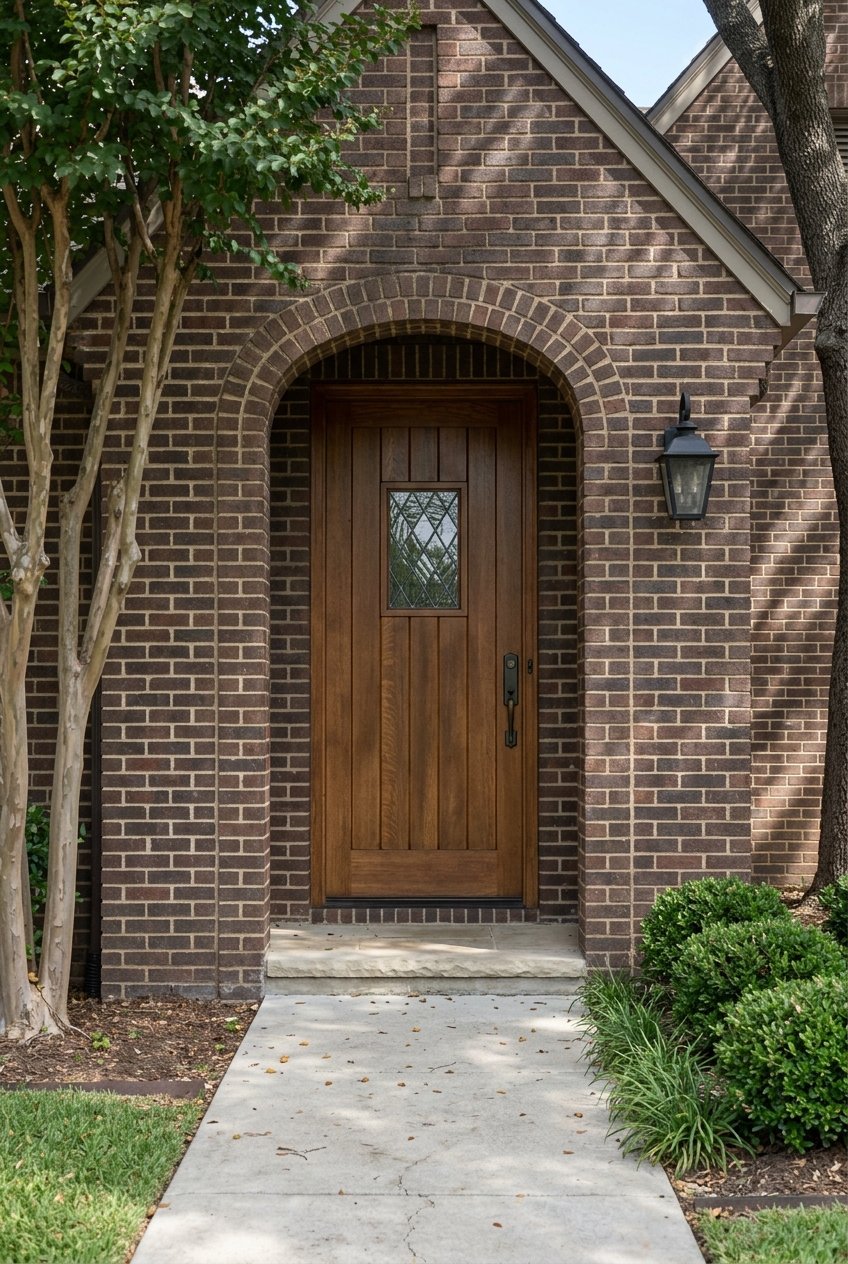
If your picture of classic Dallas includes steep rooflines, arched doorways, and storybook curb appeal, the M Streets should be high on your list. The Greenland Hills Neighborhood Association identifies the M Streets as a conservation-district neighborhood bounded by Central Expressway, Vanderbilt, Greenville, and McCommas.
Greenland Hills, developed in 1923, is especially tied to Tudor Revival architecture. According to the neighborhood association, more than 65 percent of homes were Tudor Revival at the time of its conservation-district submission, and the area is known for having one of the largest collections of Tudor architecture in the country.
The setting adds to the appeal. Tree-lined streets, rolling terrain, and consistent architecture create a streetscape that feels cohesive without feeling staged.
For buyers, the draw is often the strong visual identity. For sellers, that same consistency can help a home stand out within a well-known neighborhood name that already carries architectural recognition.
The M Streets are not regulated as one single, uniform area. Dallas preservation materials note that multiple conservation districts exist here, including Greenland Hills and M Streets East, so standards can shift from one block to the next.
That means address-level verification matters. If you are considering updates, additions, or even future resale strategy, it is smart to understand the district status of a specific property before making decisions.
Lakewood offers a different kind of historic appeal. It is closely associated with White Rock Lake and combines established homes, mature trees, and a wide mix of classic residential styles.
The Lakewood Neighborhood Association describes the neighborhood as west of White Rock Lake, with historic homes, local shopping, neighborhood events, and a relaxed feel. White Rock Lake itself is a 1,015-acre city lake about five miles northeast of downtown Dallas, with a 9.33-mile hike-and-bike trail and other recreation amenities that shape the area’s lifestyle.
Architecturally, Lakewood does not fit into just one box. City conservation materials identify housing in the broader area from roughly 1925 to 1946, with Tudor, Spanish Eclectic, French Eclectic, Minimal Traditional, Neoclassical, and Colonial Revival homes all part of the mix.
That variety can be a real advantage if you want historic character without committing to one dominant look. It also gives sellers a wider buyer pool, since different styles appeal to different tastes while still fitting the Lakewood identity.
One of the most important details about Lakewood is that preservation rules are not uniform across the entire area. The City of Dallas notes that the original Lakewood Conservation District covers only Country Club Estates, and city materials also reference an expansion effort.
In other words, one Lakewood address may sit within a protected district while another may not. If architectural controls are important to you, either for preserving a streetscape or planning future work, confirm the status of the specific home rather than assuming the whole neighborhood operates the same way.
Swiss Avenue is one of Dallas’ best-known historic streetscapes. The City of Dallas says it contains about 200 homes and includes revival, Prairie, and Bungalow styles, along with landscaped parkways and restored properties.
It also holds an important place in local preservation history. Swiss Avenue was the first local historic district designated in Dallas, which makes it a landmark neighborhood both architecturally and historically.
If you are drawn to early 20th-century homes with a more formal presence, Swiss Avenue delivers. The mix of larger homes, established landscaping, and preserved streetscape creates a strong sense of place that is hard to duplicate in newer neighborhoods.
Swiss Avenue often appeals to buyers who want a visually distinctive home and a recognizable address. It also stands out for sellers because the neighborhood itself is part of the marketing story.
When a home sits in a place known for preserved architecture and restored properties, buyers tend to understand quickly what makes it special. That can make neighborhood context just as important as square footage or finish level.
If Prairie and Four Square architecture are more your style, Munger Place deserves close attention. The City of Dallas describes it as one of the city’s early deed-restricted subdivisions, developed around 1905.
The neighborhood is especially notable for its Prairie influence. Dallas says more than 200 homes there represent the largest intact collection of Prairie-influenced structures in North Texas.
Munger Place also offers one of the clearest examples of how planning shaped neighborhood character. Preservation materials describe regular lot sizing, alleys, utility placement, and tree planting as part of the original vision, all of which helped preserve open street views.
Munger Place is a local historic district, and the city states that all work on properties there requires a Certificate of Appropriateness. That does not automatically make buying there more difficult, but it does make due diligence more important.
If you are purchasing with renovation plans, understanding the review process early can save time and avoid surprises. If you are selling, it can also help to position the home clearly for buyers who value historic integrity.
Junius Heights gives you one of the broadest collections of early neighborhood housing in Dallas. The City of Dallas says it includes more than 800 residences and was established in 1906 as a streetcar development.
Architecturally, the mix includes Craftsman, Prairie, and Tudor styles. That combination gives the area a varied but still cohesive feel, especially for buyers who want classic homes on established streets without every block looking exactly the same.
For many people, Junius Heights hits a sweet spot. It offers scale, history, and recognizable architecture, while still feeling like a lived-in residential neighborhood rather than a museum piece.
Peak’s Suburban Addition stands out for a different reason. Dallas notes that it has a high concentration of Victorian homes, along with Prairie-era examples and streetcar apartments.
That architectural mix gives the neighborhood a texture that feels distinct even within East Dallas. If your idea of classic architecture leans toward decorative details and older urban form, this is one of the city’s most interesting places to explore.
The city says Peak’s Suburban Addition was adopted as a historic district in 1995. For buyers and sellers alike, that historic status is part of what helps maintain the neighborhood’s visual identity over time.
Highland Park and University Park tell a wider architectural story than some of Dallas’ more uniform historic neighborhoods. Highland Park incorporated in 1915, and University Park incorporated in 1924 as homes grew around Southern Methodist University.
Preservation Park Cities says homes in the community were built over nearly 100 years, creating a diverse range of styles. Its recognition criteria include Prairie, Tudor, Ranch, and Mid-Century Contemporary homes, which shows how broad the architectural mix can be.
That range is part of the appeal. If you appreciate classic architecture but do not want to focus on just one era or one style family, the Park Cities provide a broader cross-section of Dallas residential design.
Unlike neighborhoods known for a single dominant look, the Park Cities are more varied and estate-oriented in their architectural identity. You may see homes from different decades and design traditions within the same broader area.
For buyers, that can create more choice. For sellers, it means thoughtful marketing matters, because a home’s architectural style, lot, and setting all play a big role in how it should be presented.
As you compare Dallas historic neighborhoods, a few style families show up again and again:
Recognizing these patterns can help you narrow your search faster. It also helps sellers understand what buyers may respond to first when they view a home online or in person.
If you are serious about buying in one of these neighborhoods, focus on more than curb appeal. Historic charm is only part of the equation.
A smart approach usually includes:
In Dallas, address-level detail matters. Lakewood, the M Streets, and other historic areas can change in status from one section to another, so specific property research is essential.
Historic neighborhoods are never just about age. They are about architecture, planning, preservation status, and how those factors shape the buying and selling experience.
If you are buying, the right guidance can help you compare style, location, and district rules with more confidence. If you are selling, strong neighborhood positioning can help tell the story of your home in a way that attracts the right buyer from the start.
If you are thinking about buying or selling in Lakewood, the M Streets, University Park, Highland Park, or another central Dallas neighborhood, Christi Weinstein can help you navigate the details with clear, local insight.
Stay up to date on the latest real estate trends.


Christi Weinstein is dedicated to helping you find your dream home and assisting with any selling needs you may have. Contact her today to start your home searching journey!
GET IN TOUCH TO LEARN MORE
Christi Weinstein
8111 Preston Road, Suite 725 Dallas, TX 75225