Staging Secrets For Highland Park Homes
January 15, 2026
January 15, 2026
Getting your Highland Park home ready for the market is part art, part strategy. In this pocket of Dallas, buyers look for craftsmanship, cohesive design, and a move-in ready feel that matches the character of the neighborhood. With the right room-by-room staging, your photos pop, your spaces feel bigger and more intentional, and your listing stands out from the start. In this guide, you’ll learn targeted staging moves for each space, plus lighting, art placement, curb appeal, and photo prep that align with luxury buyer expectations. Let’s dive in.
Highland Park buyers expect quality. They notice original millwork, staircases, and built-ins, and they respond to spaces that feel refined and well maintained. Your staging should highlight architecture and finishes rather than hide them.
Architectural styles vary here, from classic Tudor and Colonial revival to Mediterranean and transitional modern. Keep staging timeless and scaled to the room so it complements moldings, stone fireplaces, and ceiling heights. In the luxury segment, listings that photograph well and communicate scale and flow attract more qualified showings, so every staging choice should support strong visuals.
Begin with the basics: declutter, depersonalize, and edit furniture for flow. Choose a restrained, neutral palette with subtle accents. Prioritize quality over quantity of accessories. Before exterior tweaks, confirm town or HOA rules for signage, temporary landscaping, or paint touch-ups. Create a timeline that aligns staging, photography, and any repairs so everything finishes on schedule.
Your entry sets the tone. Keep surfaces clean and upscale with one statement object, such as a sculptural vase or tray. Clear sight lines to the staircase or main living area help buyers read the home’s flow quickly. Use layered lighting with warm, consistent bulbs, and select a rug that fits but does not hide key details. Hang one focal artwork at eye height, roughly 57 to 60 inches to the center.
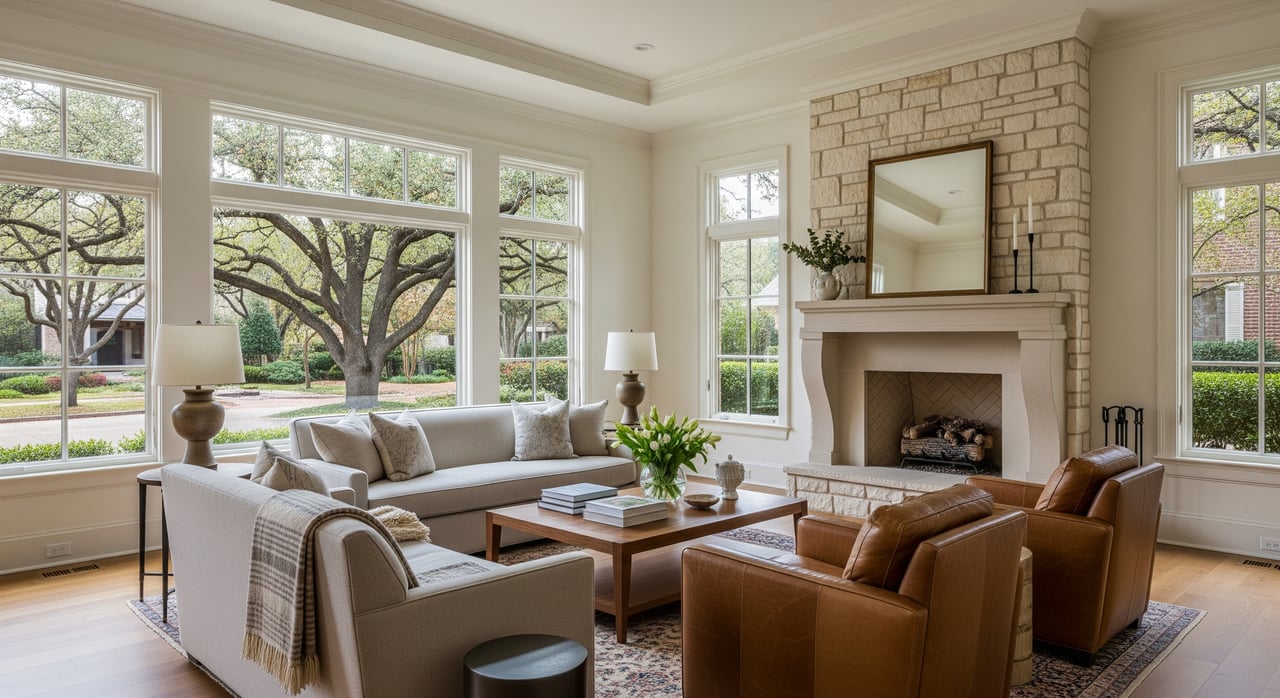
Aim for a comfortable, refined conversation area. Float seating to create zones and open walkways, rather than pushing everything against the walls. Choose well-proportioned pieces that suit the room’s scale so the space feels complete and inviting in photos.
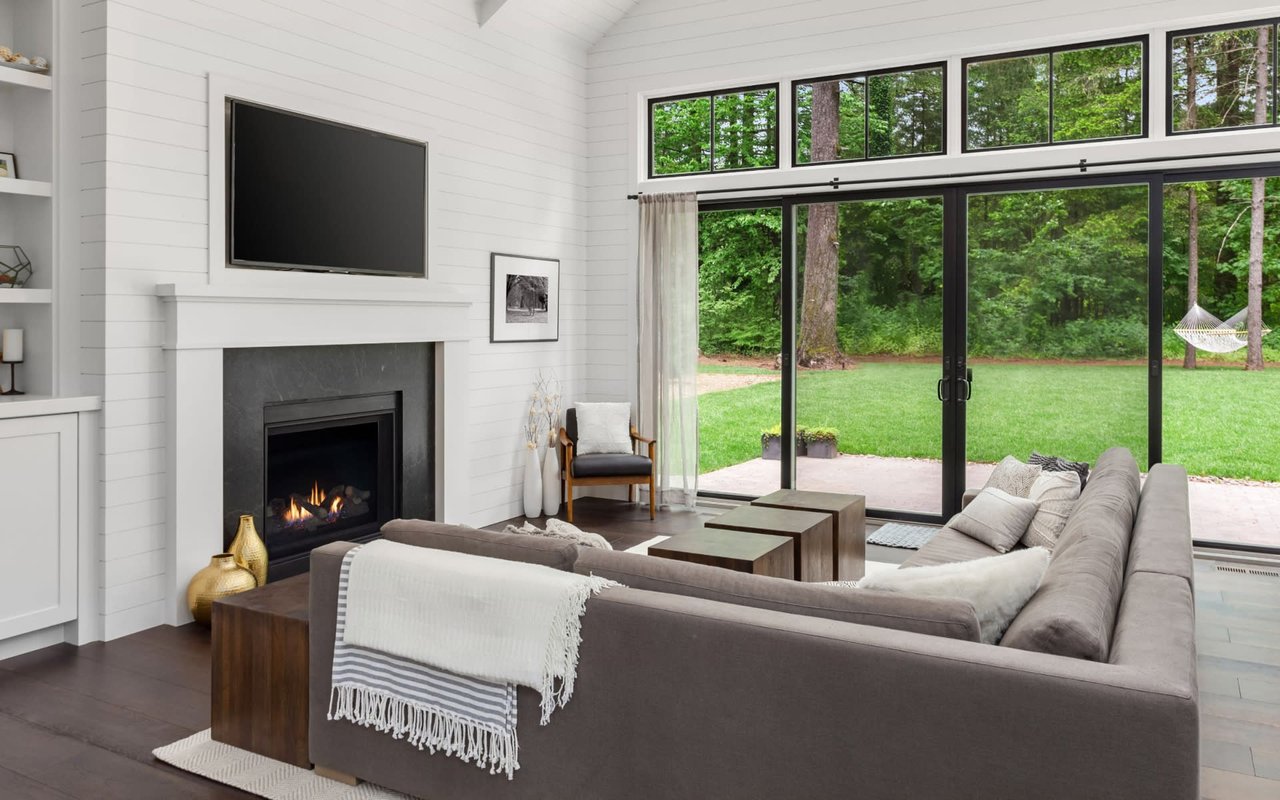
Add soft textures in muted tones and limit patterns. Layer ambient, task, and accent lighting, keeping lamps balanced around sofas or mantels. Style the fireplace mantel with restraint and remove personal photos so the architecture remains the star.
Signal a lifestyle of hosting without over-decorating. Lightly set the table with a linen runner and simple tableware that hints at use. Keep centerpieces low so sight lines stay open. Size the chandelier to the table and keep it on during photos and showings for a warm, welcoming look. If needed, use tailored slipcovers or coordinated cushions to unify chairs.
A pristine kitchen communicates value. Clear countertops of small appliances and visual noise. Leave one or two purposeful items, like a cutting board or a bowl of lemons, and maybe a styled cookbook. Organize any cabinets or pantry shelves that could appear in photos. Update or clean hardware and lighting, and consider neutral fixture replacements if yours feel dated. At the island, set seating cues and a simple centerpiece while preserving clear prep zones.
Your goal is a restful, spa-like feel. Use layered bedding with quality linens and keep patterns subtle. Balance nightstands with matching lamps and remove personal items. Stage closets to emphasize capacity with tidy shelves, empty hangers, and coordinated boxes. In the bathroom, clear counters, add plush towels, and make sure grout and caulk are clean and fresh.
Show versatility. A serene guest room, a confident home office, or a tidy gym or media room helps buyers imagine options. For offices, present a functional desk with good lighting and concealed cords. Keep accessories minimal so the use of the space is clear at a glance and in photos.
Crisp and clean wins. Use white towels, a simple tray with toiletries, and a small plant or candle for softness. Clear all countertops and ensure mirrors are streak-free. Adjust lighting so it flatters the room and turns on cleanly every time.
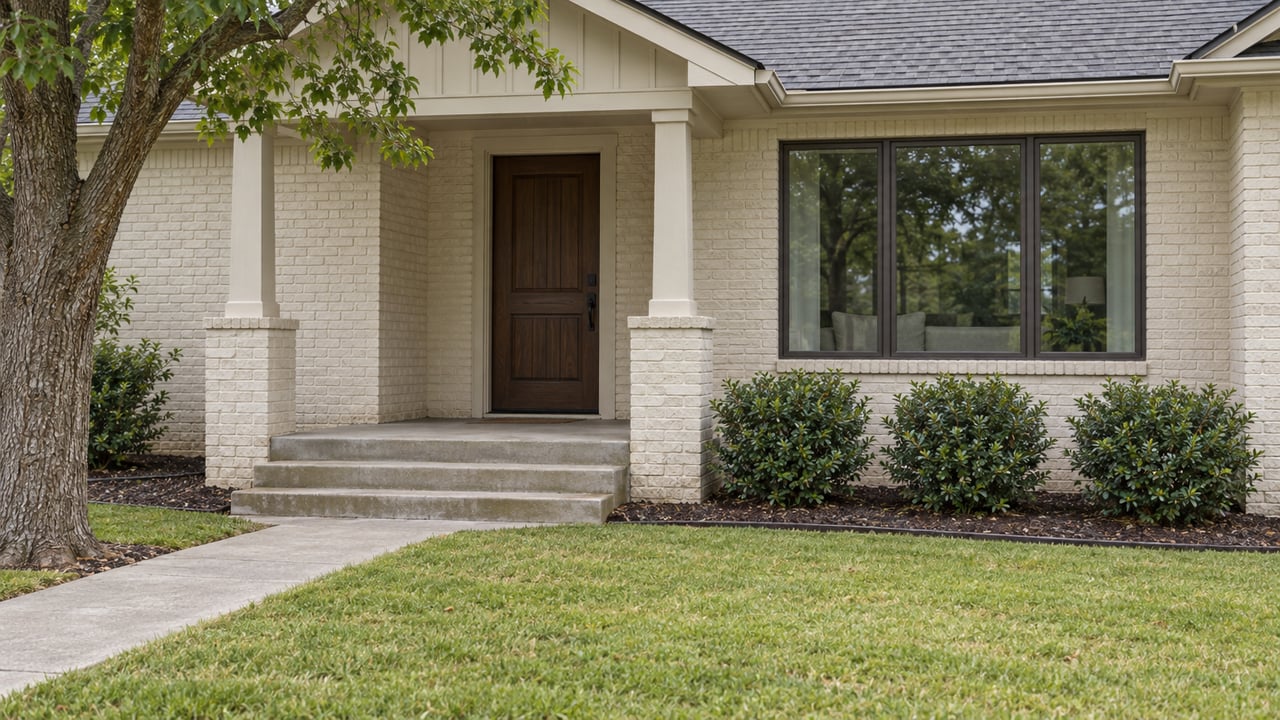
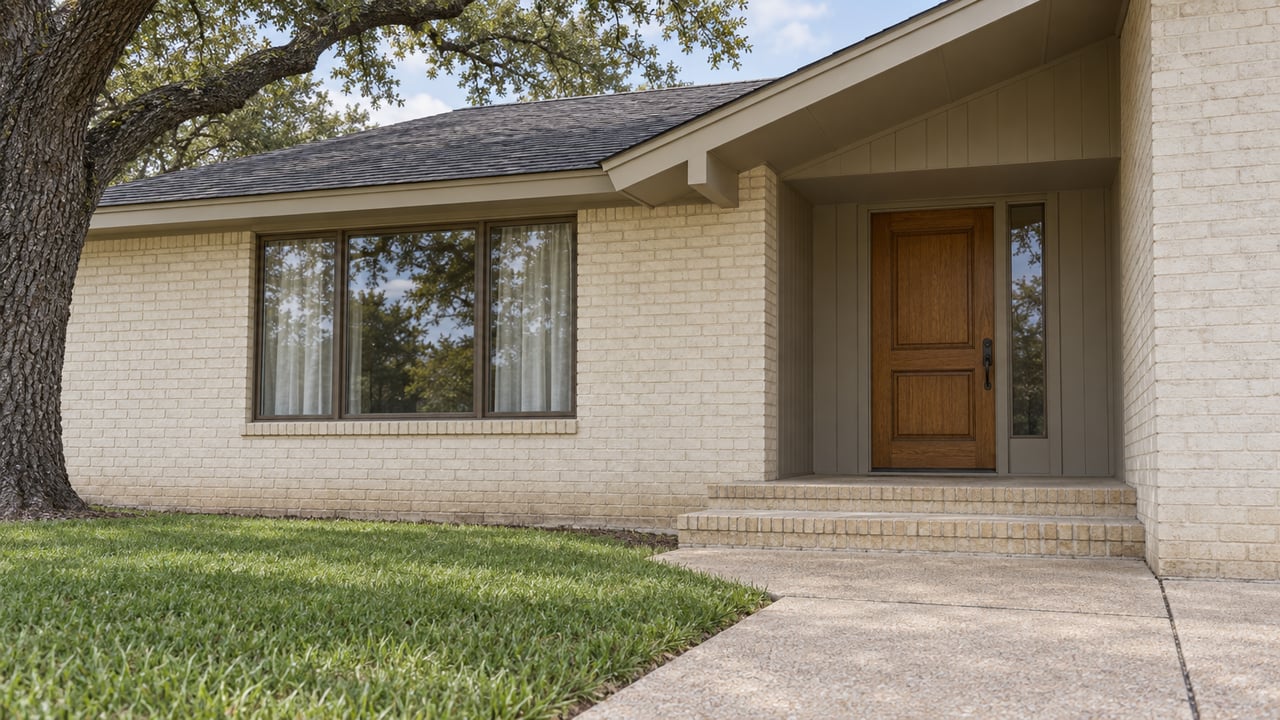
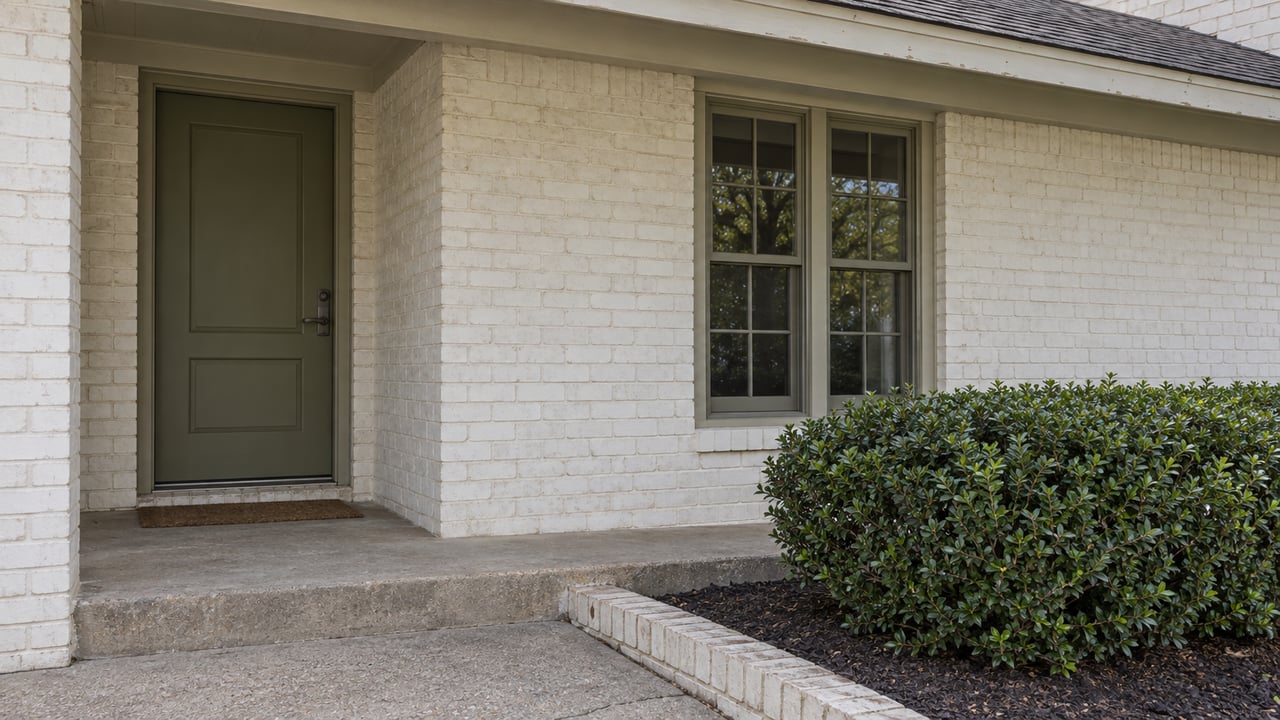
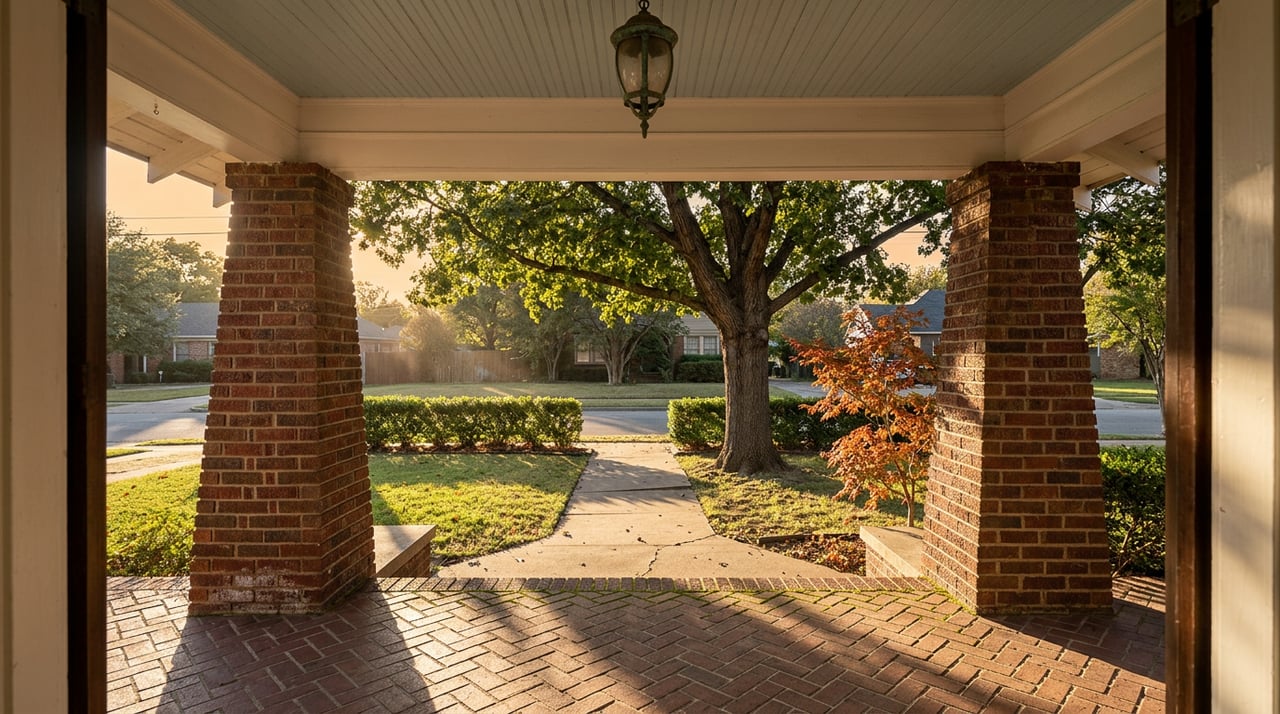
Indoor-outdoor living is a priority in Texas, so stage patios, porches, and pool areas as extensions of the interior. Pressure wash hardscapes, repair pavers, and touch up trim or door paint where needed. Groom lawns and hedges, refresh mulch, and replace any dead plants. Choose heat-tolerant or seasonal options that will look good in North Texas weather.
Stage outdoor rooms with seating and an outdoor rug to define zones. Keep pool water crystal clear with clean decking and minimal accessories. Add tasteful towels or poolside furniture. Use exterior lighting to illuminate walkways, the entry, and key trees, especially for twilight photography. Coordinate any signage with town or HOA permissions, and make sure the approach to the home is open and welcoming.
Warm, consistent lighting helps every room feel cohesive. Keep bulbs around 2700 to 3000K and replace any that are dim or flickering. Layer ambient, task, and accent lighting and turn them all on for photos and showings. Use mirrors to bounce natural light, but avoid placing them where they reflect the photographer.
Hang art at approximately 57 to 60 inches to the center for a gallery feel. Select pieces that relate to furniture scale, such as art that is about two-thirds the width of the sofa. Neutral or abstract pieces photograph well and reduce subjective reactions while still signaling quality.
Choose neutral color palettes that flatter high-end materials like wood trim, stone hearths, and custom millwork. Save bold color for small accents so the home feels timeless and tailored to the architecture.
Schedule photos in the best light, often mid-morning or late afternoon. Consider golden hour or twilight exterior shots to showcase outdoor living and landscape lighting. Before the shoot, remove personal photos and refrigerator art, make beds, fold towels, and clear counters. Move cars out of the driveway and tidy contractor items. Turn on all lights, open blinds or curtains where appropriate, and add small cues like a book on the coffee table or a lightly set dining table.
Provide your photographer with a shot list that highlights key features such as the foyer, primary suite, kitchen island, office, pool, and exterior approach. If your plan includes aerials, make sure the lot and streetscapes are photo-ready.
If a room is partially furnished or you want to demonstrate alternate layouts, virtual staging can help. Be transparent in your marketing when any images are virtually staged. High-quality 3D tours and floor plans are increasingly expected in luxury marketing packages. Align your physical staging with these digital assets so the in-person experience matches what buyers saw online.
Think about staging in clear categories: consultation and design, furniture rental, accessory styling, landscaping, and professional photo-video. Luxury listings often benefit from higher-end furniture and art that match buyer expectations, but you can stage only the highest-impact rooms if budget is limited. Prioritize the entry, living areas, kitchen, primary suite, and outdoor spaces.
Discuss return in qualitative terms. In premium markets, stronger photo assets and a turnkey presentation can reduce time to contract and support price. Build a simple timeline:
Coordinate staging with any repairs so vendors do not overlap and disrupt surfaces or layouts.
Work with experienced luxury stagers who understand scale and how to source appropriate pieces for Highland Park homes. Ask for references and photo portfolios from similar properties. Keep a preferred roster for landscaping, lighting, and cleaning vendors who know local codes and quality expectations.
For exterior adjustments, confirm municipal and HOA rules before adding signage or temporary features. Be transparent in marketing if you use virtual staging or retouching, and disclose clearly so buyers know what to expect.
Use these to keep things simple and consistent.
Pre-photo checklist:
Pre-show checklist:
Your staging should serve a larger marketing plan that includes professional photography, videography, and digital assets. When you combine thoughtful, architecture-aware staging with a creative team that knows how to capture scale and flow, your Highland Park listing stands out to qualified buyers from the first click.
If you are planning to sell in the Park Cities or nearby Dallas neighborhoods, connect with a local specialist who blends hyperlocal knowledge with elevated marketing. Reach out to Christi Weinstein to align a customized staging plan with The Agency’s creative resources.
Stay up to date on the latest real estate trends.


Christi Weinstein is dedicated to helping you find your dream home and assisting with any selling needs you may have. Contact her today to start your home searching journey!
GET IN TOUCH TO LEARN MORE
Christi Weinstein
8111 Preston Road, Suite 725 Dallas, TX 75225